
Foundation Training
Oasis Human Relations and Collective Transitions: A new collaboration in Systems Sensing and Systemic Constellation work – tapping into our wider ways of knowing for societal transformation.
There are currently no upcoming dates for this training.
If you would like to be notified once new dates go live, sign up to join our waitlist.

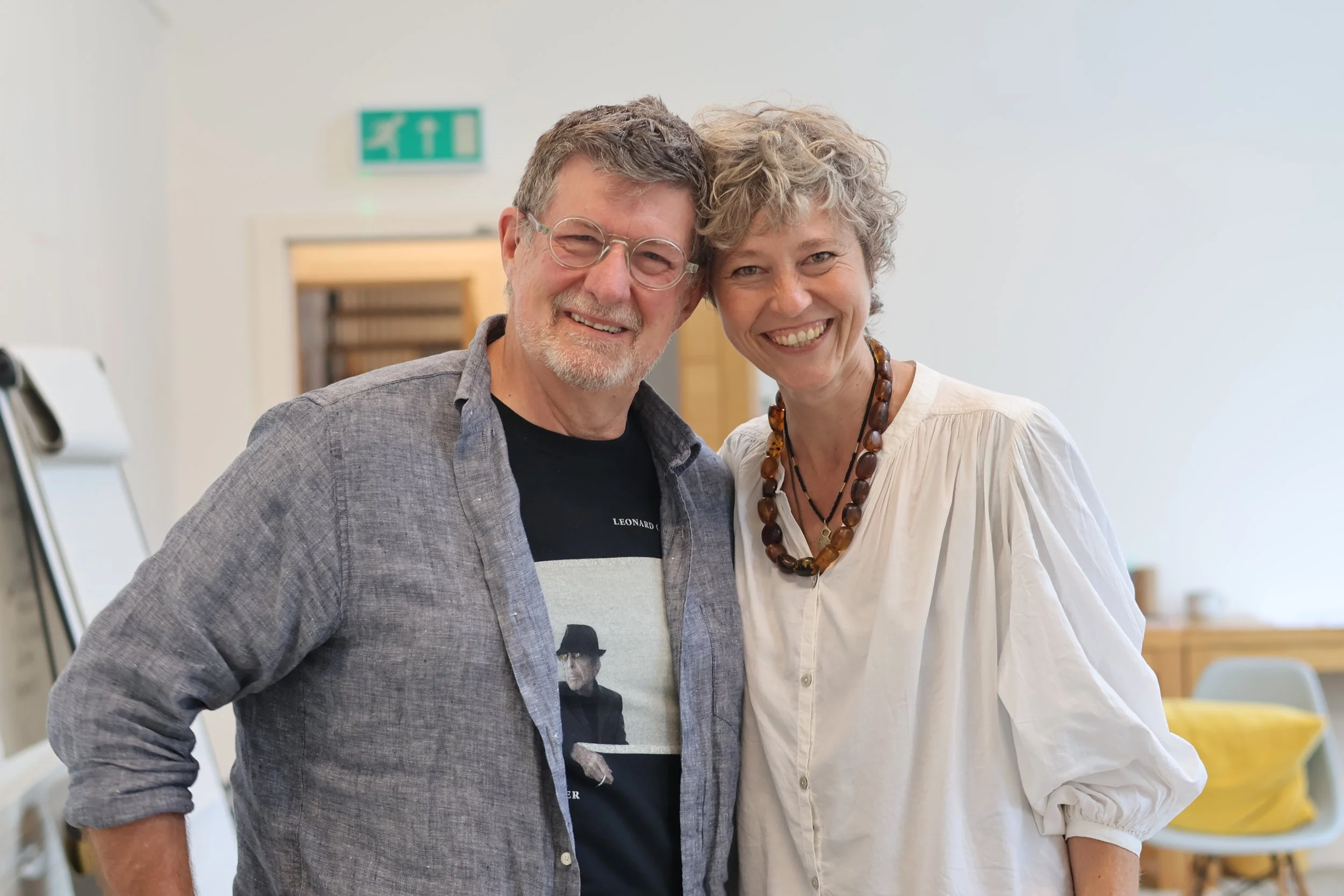
Photo: Oasis Human Relations
About the Collaboration
This partnership brings together Oasis’ decades of experience in whole-person and whole-system development with Collective Transitions’ innovative work in systems sensing, systemic constellation and alternative ways of understanding complex social systems for meaningful process stewardship.
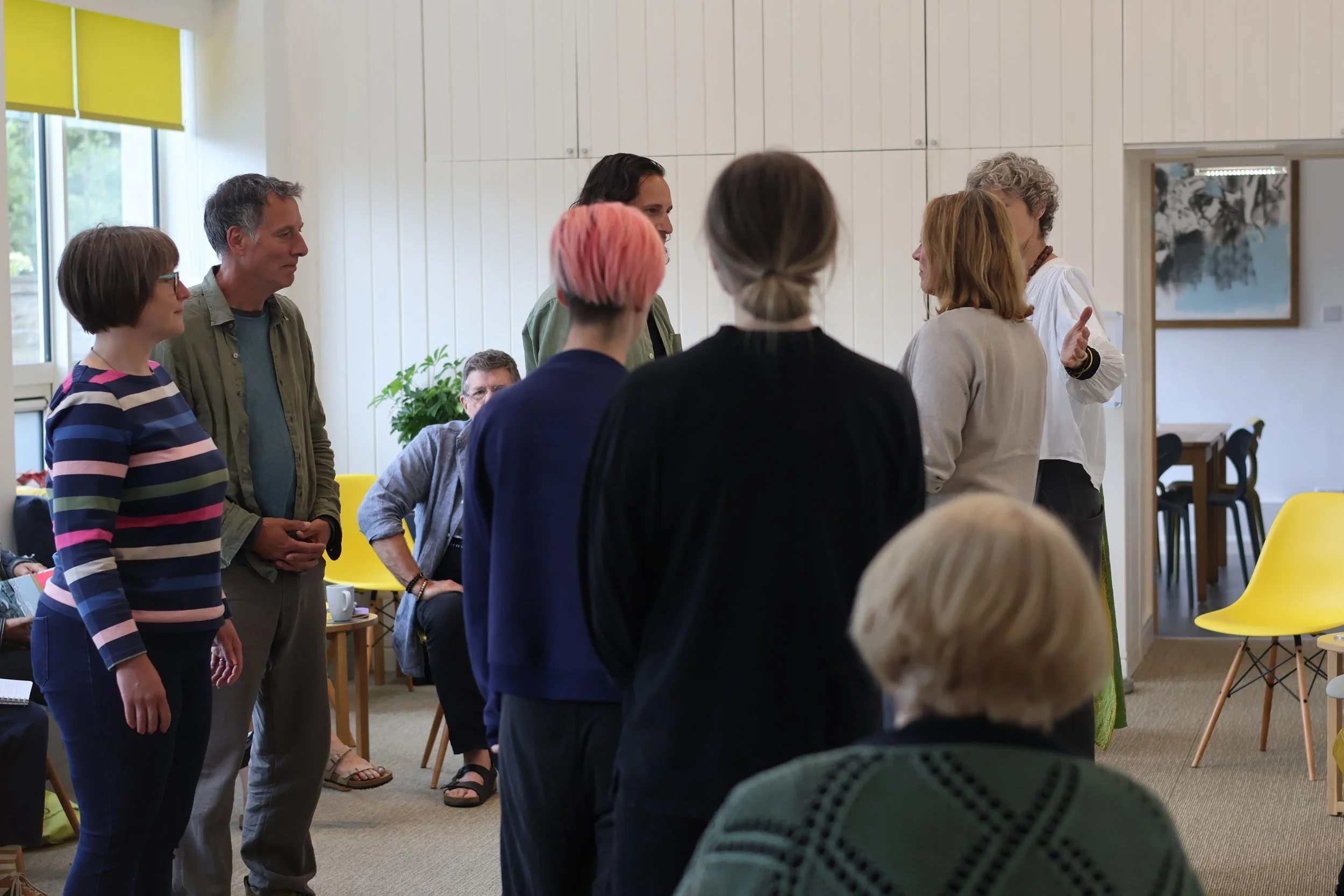
As learner practitioners, you will explore how groups, organisations, and communities operate beneath the surface. You will learn to notice hidden patterns, widen your awareness, and discover new avenues to address and enable transformative change.
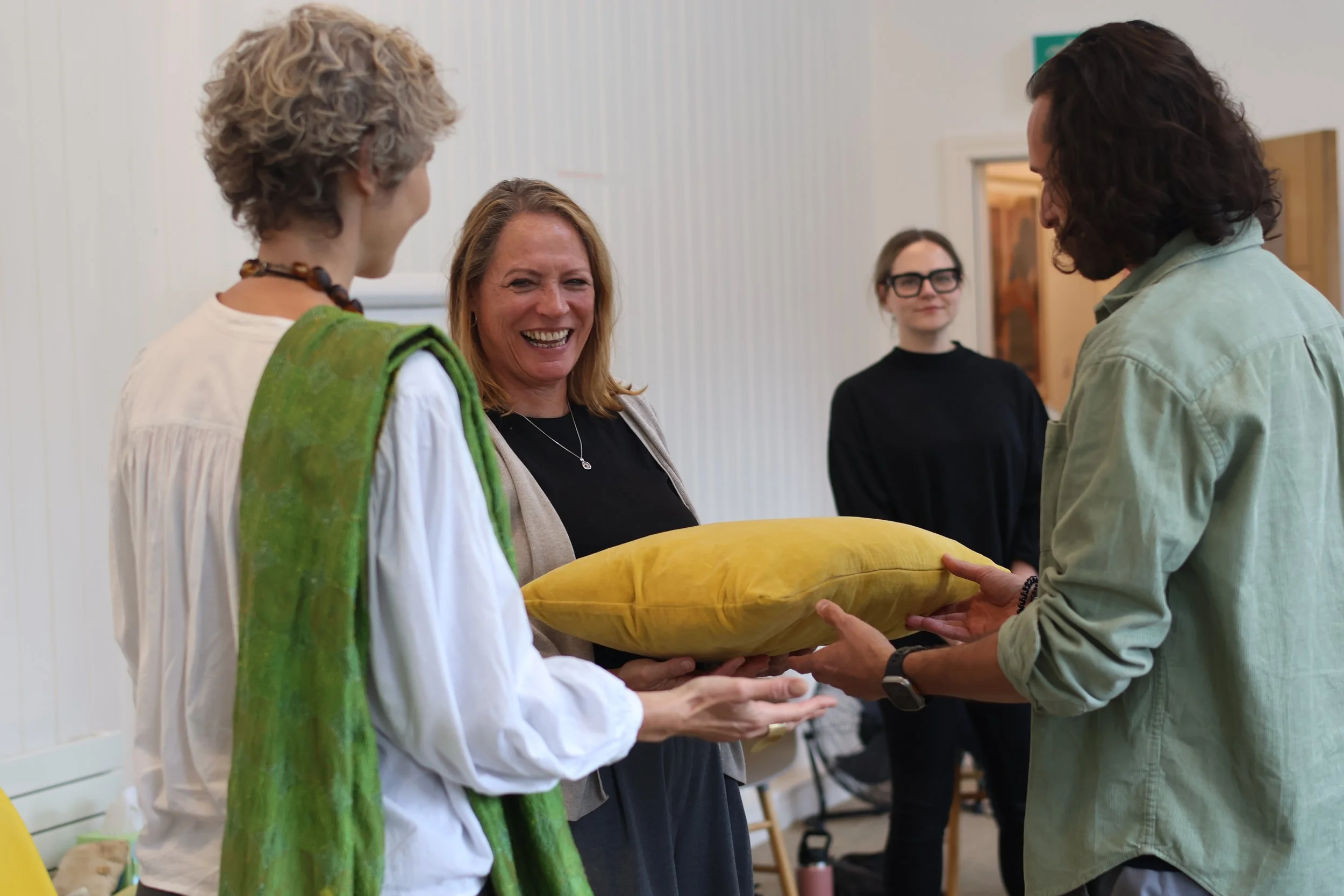
Through experiential peer learning, reflection, and guided practice, you will strengthen your capacity to navigate uncertainty and support meaningful change in your own work and communities.
Course details
This three-day experiential course is designed for practitioners, leaders, activists, and anyone working toward meaningful change. You’ll develop your sensing abilities to navigate complexity with greater clarity and act with alignment and effectiveness.
Through Systemic Constellations and Systems Sensing, you’ll learn to move through challenging situations with more ease. Systems Sensing uses body-based (somatic) approaches to expand awareness, helping you connect with the deeper intelligence of a system. It draws on physical, emotional, visual, intuitive, relational, and spatial forms of knowing and can be applied individually or in groups.
The course covers:
Setting intentions and guiding questions
Working with representation and practice phases
Navigating generational, collective, and societal dynamics
Understanding the influence of land and place
Building personal practice and self-care
Applying methods to complex organisational and societal challenges
Through theory, reflection, hands-on exercises, and connection with nature, you’ll gain practical skills to act with clarity in the face of complexity.
This Foundation Course is the first step towards the Advanced Course in Systems Sensing and Systemic Constellation for Societal Transformation, also in collaboration with Oasis and hosted in the UK in 2027 (dates to come). The Asdvanced Course offers the chance to deepen your practice, explore more complex dynamics, and apply systemic methods to broader organisational and societal challenges.
Join us to deepen your perception skills and transform the way you work with your clients, your communities and the systems they are part of.
Who is this for
This course is open for leaders, activists, and change-makers who are working at the forefront of societal transformation. Our wider ways of knowing are powerful tools for navigating the subtleties of complexity. Activating and applying them are critical for the times we live in. The practices of systemic constellation and systems sensing can help individuals and teams move through intense dynamics with greater ease, efficiency and alignment.
“Superb session, expertly facilitated. I took so much from the session. I feel very nourished. Everything was superb, from the beautiful room and food, to the care that is taken by all the team to make you feel welcome, to the facilitation masterclass from Luea who held the group so beautifully to allow the learning to unfold, or not, without judgement or pressure. I've learnt about systems constellations and also learnt more about myself than I have in a long time. Thank you…Where have you been all my life!”
- Foundation Training participant
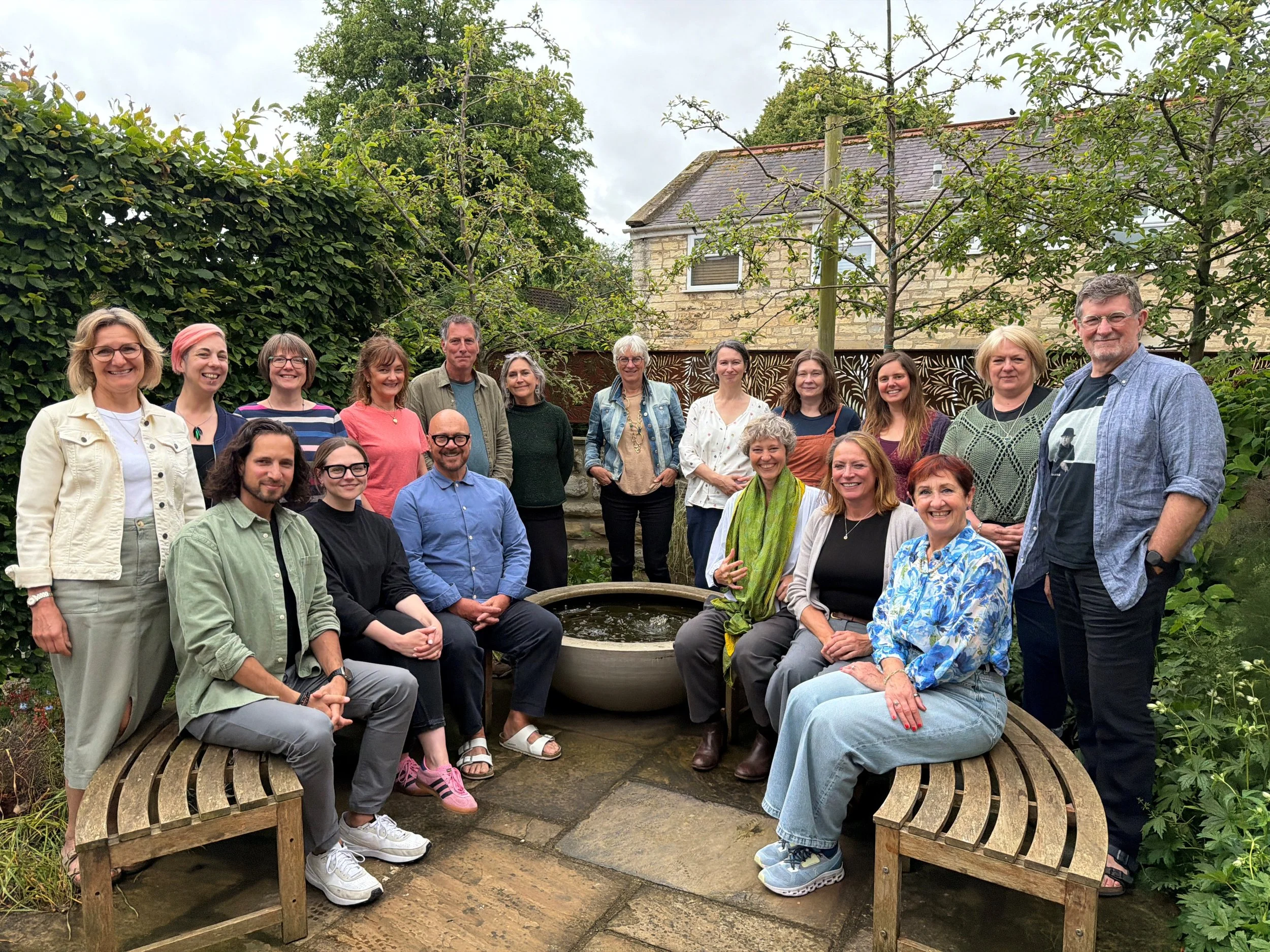
Feedback from our June 2026 Foundation Training participants at Oasis.
Prices
The course costs £395 (including lunches and refreshments).
Course lead
Luea Ritter is a systemic coach, transformative process steward, and action researcher dedicated to supporting collective transformation across sectos and place. With over two decades of international and cross-cultural experience, she works across personal, organisational, and cultural development to help groups and organisations create resilient and regenerative ways of working together.
As co-founder and steward of Collective Transitions, Luea designs processes and holds spaces for raising systemic awareness and amplifying collective capacity building, supporting groups navigate complexity with greater ease, presence and care while enabling meaningful change towards regenerative and coherent. She also plays a central role in the World Ethic Forum, guiding the overall strategy and the Firekeeper Circle process with its participatory action research; and supports young leaders through the Youth Negotiators Academy, nurturing systems-awareness, mental health, and community-building for the UN Rio Conventions; and serves as co-founder and chair of the Nile Journeys, focusing on regenerative collaboration across the Nile Basin. In her diverse international engagements and mandates, her focus lays on fostering dialogue, bridging across perceived divides and create greater alignment for meeting the challenges of our times.
Her work, including her PhD research and collaborations with organisations like the World Future Council and Global Ecovillage Network, focuses on fostering coherence in socio-ecological systems—helping individuals, organisations, and communities navigate the complex challenges of our times with resilience and care.
More information:
Exploring the interrelationality of societal transformation
This foundational course is an introduction to our wider ways of knowing by exploring systems sensing, systemic constellation and the importance of land and place in working on societal issues and complex challenges. We work with essential key concepts, methods and practices for individuals and groups. It supports participants in expanding, deepening, and differentiating their perception skills. Much focus lies on engaging practically with various forms of knowledge through solo, small group and whole group exercises.
The practice of systems sensing is a broad term for a range of somatic approaches that expand our field of awareness and engage with a system’s wisdom. Sensing a system can be understood as a visceral aptitude that draws on innate human capacities for being in relation with, listening deeply to, and momentarily embodying the elements of a system.
Sensing uses extended and multiple ways of knowing to understand and connect with different aspects of a situation or context. These ways of knowing can be somatic, emotional, visual, visceral, relational, and spatial, and both individuals and groups can use them.
Read more here
The practice of systemic constellations allows us to visualize a system's interaction patterns and interdependent relationships. By making these dynamics visible, we widen our understanding and obtain a greater variety of choices in how we respond. By revealing what often goes unsaid, has not been acknowledged, or challenges that may lie hidden, Systemic Constellations can support leadership in identifying root causes and leverage points for greater collaboration and creating and maintaining greater coherence within complex systems.
Read more here
The practice of working with land and place invites us to widen our felt and cognitive understanding of interrelatedness and interbeing. Land and place, including the subtle and more-than-human realm, are important dimensions of welcoming subtle layers - both present and past: Especially when working with sensitive, intertwined and multilayered issues, this approach–deeply rooted in indigenous ways of living and being from across the globe–becomes critical to open up to and start seeing and respecting it as kin’s holding vital knowledge and wisdom for taking long-term viable decisions and actions.
Further resources:
